Supporting Government Policies on Indigenous Language Education

Nkanda plays a critical role in advancing educational policies across Africa 
that prioritize the teaching and preservation of indigenous languages.

5d

Supporting Language
Education Policies in Nigeria

Nigeria, with its rich tapestry of over 500 languages, has taken significant steps to preserve its linguistic diversity through education policies. One prominent example is the Nigerian government’s directive that students must study at least one of the three major Nigerian languages—Hausa, Yoruba, or Igbo—alongside the indigenous language of their local environment. Nkanda directly supports these initiatives through its innovative language apps and resources:

iconui

Lagos State Yoruba Language Policy

iconyui

Indigenous Languages in WAEC Curriculum

imaged
imagef

Enhancing Language Learning Accessibility

Nkanda’s digital tools make language learning accessible to a wide audience, from primary school students to university researchers. By providing mobile dictionary apps with features such as phonemic transcriptions, sentence examples, and audio recordings. Nkanda bridges the gap between traditional learning methods and modern technology. These resources are particularly vital for regions where access to textbooks and qualified language teachers is limited.

Strengthening Multilingualism in African States

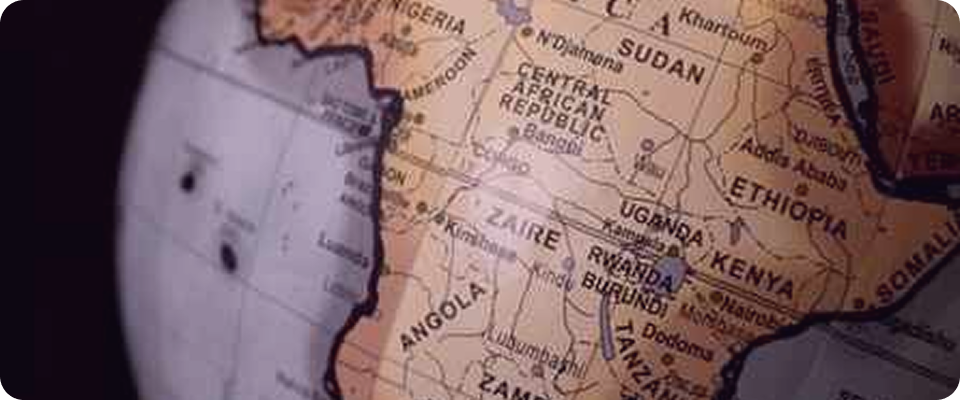
The emphasis on indigenous languages is not limited to Nigeria. Across Africa, countries like Ghana, Ethiopia, and Zimbabwe have implemented policies promoting multilingual education. Nkanda’s collaboration with universities in these countries ensures that its apps and resources meet the diverse linguistic needs of students and educators. 
By offering tools for languages such as Fante, Oromo, and Ndebele, Nkanda supports governments in fostering multilingualism as a cornerstone of national identity and cultural pride.

imageg

Promoting Cultural Identity and National Unity

Language is a powerful tool for fostering cultural identity and national unity. Nkanda’s work reinforces the idea that preserving indigenous languages is not just about communication but about connecting people to their roots. By making these languages accessible and engaging, Nkanda contributes to a generation of Africans who are proud of their heritage and equipped to share it with the world.

imagev
imagec

Supporting Language Education Policies in Nigeria

Nkanda’s partnership with schools and universities strengthens its impact. In Nigeria, for example:

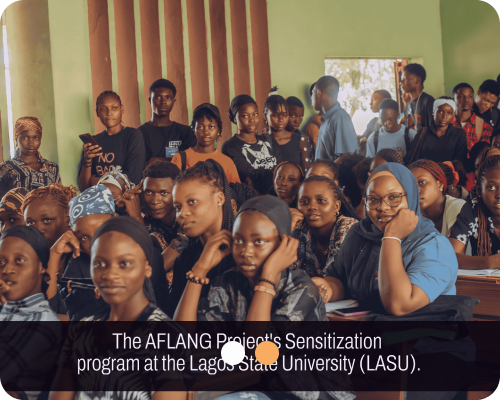
  • Schools in Lagos can integrate the Yoruba Dictionary App into their curriculum, enhancing teaching methods and student engagement. Universities collaborating with Nkanda contribute data and linguistic insights that ensure the apps remain accurate and culturally relevant.
  • Research projects funded or supported by Nkanda promote the study and development of African languages in academic contexts.

Aligning with Global Goals

Nkanda’s mission aligns with broader global objectives such as UNESCO’s push for multilingual education and the UN’s Sustainable Development Goals (SDG 4), which emphasize quality education and lifelong learning opportunities for all. 
By creating resources that make indigenous languages accessible, Nkanda contributes to these goals, ensuring that African languages have a place in the global educational landscape.

imageb

Bridging Tradition and Innovation

With a commitment to cultural preservation and modern technology,
Nkanda is building the go-to platform for African linguistic resources.